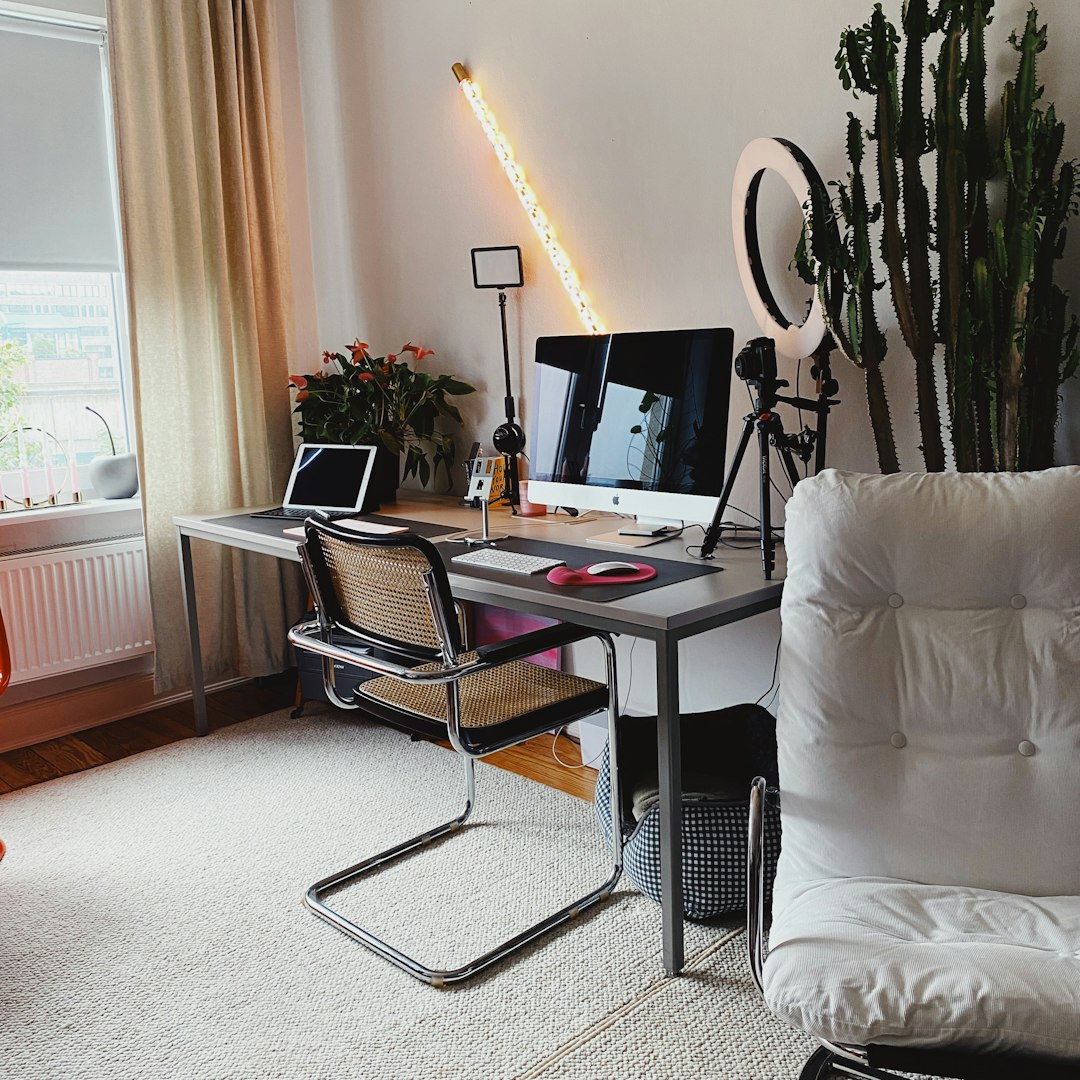
Lighting is arguably the most transformative element in video production. The difference between amateur and professional-looking footage often comes down to lighting more than camera quality. Understanding lighting principles and techniques allows you to create mood, direct attention, reveal or conceal details, and ensure your subjects look their best. This guide explores essential lighting concepts and practical techniques for various video production scenarios.
Understanding Light Quality
Light quality refers to the hardness or softness of light, determined by the apparent size of the light source relative to your subject. Hard light comes from small, intense sources like bare bulbs or direct sunlight. It creates sharp, defined shadows with high contrast. Hard light can look dramatic and create strong three-dimensional form, but it can also be unflattering for faces, emphasizing texture and imperfections.
Soft light comes from large sources or diffused light. It wraps around subjects, creating gentle shadows with gradual transitions. Soft light flatters subjects, minimizes skin texture, and creates a more forgiving, pleasant look. You create soft light by increasing the apparent size of your source through diffusion materials, reflecting light off large surfaces, or moving subjects closer to large light sources.
The distance between light source and subject affects quality too. Moving a light closer to your subject makes it relatively larger, softening the light. Moving it farther away makes it relatively smaller, hardening the light. This relationship gives you control over light quality without changing equipment.
Three-Point Lighting: The Foundation
Three-point lighting remains the standard approach for interview and portrait videography because it consistently produces flattering, dimensional results. The key light is your main light source, positioned at roughly 45 degrees to the side and above your subject. It provides the primary illumination and establishes the overall mood. The key light's intensity, distance, and quality define the look of your lighting.
The fill light reduces the contrast created by the key light, lightening shadows without eliminating them entirely. Position the fill light on the opposite side of the camera from the key light, usually at a lower intensity. The ratio between key and fill lights controls mood. High contrast ratios with minimal fill create dramatic, moody looks. Low contrast ratios with strong fill create bright, even lighting.
The back light, also called rim or hair light, separates subjects from backgrounds by creating a subtle highlight on hair and shoulders. Position it behind and above your subject, pointed toward them but kept out of the camera's view. Back lights add depth and professional polish to your shots. They're especially important when your subject and background have similar tones that would otherwise blend together.
Color Temperature and White Balance
Color temperature, measured in Kelvin, describes the color of light from warm orange tones at low temperatures to cool blue tones at high temperatures. Tungsten bulbs produce warm light around 3200K. Daylight measures approximately 5600K. Understanding color temperature helps you match lights, achieve consistent looks, and create specific moods.
Mixing color temperatures creates problems. A subject lit by warm tungsten key light and cool daylight fill light will show strange color casts that are difficult to correct in post-production. Use lights of the same color temperature or add color correction gels to match different sources. Modern LED lights with adjustable color temperature simplify this process enormously.
White balance settings in your camera compensate for different color temperatures, ensuring whites appear neutral. Set white balance manually for consistent results rather than relying on auto white balance, which can shift between shots. Proper white balance in-camera saves time in post-production and ensures accurate color reproduction.
Light Modifiers and Their Effects
Light modifiers shape and control light output from your fixtures. Softboxes create soft, directional light ideal for interviews and portraits. Their enclosed design with diffusion panels produces even, flattering illumination while containing light spill. Different shapes produce different qualities. Large rectangular softboxes create broad, even light. Octagonal softboxes produce rounder catchlights in eyes that some find more appealing.
Umbrellas offer affordable diffusion options. Shoot-through umbrellas diffuse light broadly with less control than softboxes. Reflective umbrellas bounce light back, producing slightly harder light than shoot-through varieties. Umbrellas set up quickly but spill light everywhere, making them challenging in small spaces or when you need to control where light falls.
Barn doors, grids, and snoots focus light into specific areas, creating controlled beams. These modifiers help you light backgrounds independently, create hair lights, or add accent lights without affecting your overall scene lighting. Flags and cutters block light, preventing lens flare or keeping light off specific areas. Gels change light color for creative effects or color correction.
Working with Natural Light
Natural light provides beautiful, free illumination, but it requires understanding and planning. Direct sunlight creates hard light with strong shadows. While challenging for interviews, it can look stunning for other content types. Overcast days produce soft, even light that's flattering and easy to work with, though sometimes too flat for dramatic content.
The golden hour, roughly an hour after sunrise and before sunset, offers warm, directional light at a low angle that's naturally cinematic. The quality and color of light during golden hour flatters subjects and creates mood. Plan shoots to maximize this window when possible, though be aware it passes quickly and light changes dramatically minute by minute.
When shooting indoors with windows, position subjects to use window light as a large, soft key light source. Avoid placing subjects directly in front of windows, which creates silhouettes. Instead, position them perpendicular to windows, using the natural light as your key and adding fill if needed to control contrast.
Budget-Friendly Lighting Solutions
Professional lighting equipment is expensive, but creative solutions produce excellent results on tight budgets. Work lights from hardware stores provide affordable hard light sources. Cover them with diffusion paper from photography stores to soften the light. Ensure any modification maintains safe distance from hot bulbs to prevent fire hazards.
Natural light remains the ultimate budget option. Large windows provide beautiful soft light. Reflectors bounce existing light to fill shadows or redirect light as needed. You can purchase commercial reflectors affordably or create DIY versions with foam boards from craft stores. White boards provide neutral fill, while silver creates brighter, cooler fill, and gold adds warm tones.
Practical lights are light sources visible in frame that also illuminate the scene. Desk lamps, string lights, and other practicals add production value while serving lighting functions. They create realistic environments and can reduce the amount of additional lighting needed. Be mindful of color temperature and light output when choosing practicals.
Lighting for Different Scenarios
Interview lighting typically uses three-point setups with soft, flattering light. Position your subject away from backgrounds to allow for separation. Control contrast to ensure details are visible in both shadows and highlights. Consider your subject's skin tone and adjust accordingly, as different skin tones reflect and absorb light differently.
Product videography requires even, shadow-free lighting to show details accurately. Use multiple soft light sources positioned around the product. Consider the product's surface characteristics. Matte surfaces are forgiving, while reflective surfaces require careful light placement to avoid unwanted reflections. White backgrounds need separate lighting to ensure they appear pure white without affecting product lighting.
Narrative and cinematic lighting prioritizes mood over even exposure. Embrace shadows and contrast to create atmosphere. Use motivated lighting, where light sources make sense within your scene's reality. A lamp in frame motivates warm light from that direction. A window motivates cool daylight. Motivated lighting creates believable, immersive environments.
Common Lighting Mistakes to Avoid
Overlighting is a frequent beginner mistake. More lights don't necessarily mean better results. Sometimes subtracting light creates stronger images than adding it. Start with a single key light and add other lights only when they serve a specific purpose. Each light in your setup should have a clear role.
Neglecting the background is another common error. Your subject might be beautifully lit, but if the background is dark, muddy, or distracting, the overall image suffers. Light backgrounds intentionally, either separating them from subjects or integrating them into a cohesive visual. Consider depth of field as well, as out-of-focus backgrounds hide lighting imperfections.
Inconsistent lighting between shots creates continuity problems. When shooting multiple angles or over extended periods, maintain consistent lighting setups. Take reference photos of your lighting setup. Note the position, intensity, and angles of all lights. This documentation ensures you can recreate the setup exactly for reshoots or additional coverage.
Conclusion
Mastering lighting takes time, experimentation, and careful observation. Study how light behaves in the real world and in films or videos you admire. Practice different setups and take notes on what works. The principles remain consistent across all lighting scenarios: understand light quality, control direction and intensity, maintain color consistency, and always serve the story or purpose of your video. With these fundamentals and dedicated practice, you'll develop lighting skills that elevate your video production to professional levels.